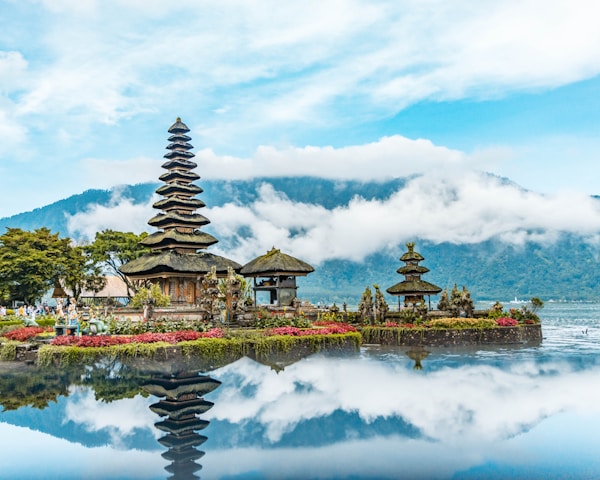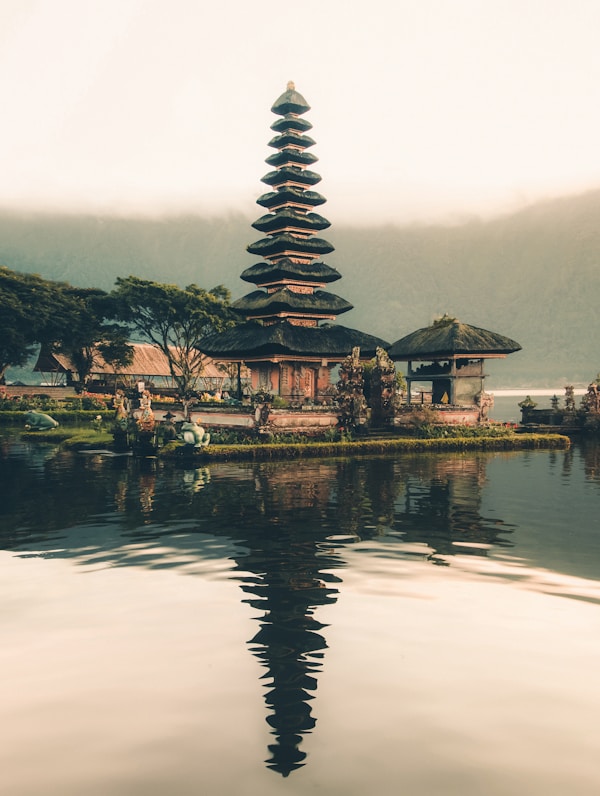

Bali, the Island of the Gods, is renowned for its vibrant culture, spiritual heart, and breathtaking landscapes. While many flock to its sun-drenched beaches and verdant rice paddies, a hidden world of cascading beauty awaits in its lush interior. Bali's waterfalls offer an escape into nature's raw power and serene artistry, providing an unforgettable experience for every traveler.
This waterfall guide is created by local travel planners from Mollon Bali Trans , sharing practical route planning and travel insights for exploring Bali.
Beyond the Beaches: Discovering Bali's Lush Interior
Bali's allure extends far beyond its celebrated coastlines. Inland, the island reveals a dramatically different, yet equally captivating, topography. Rolling hills transform into volcanic mountains cloaked in emerald jungles, crisscrossed by ancient irrigation systems, and carved by crystal-clear rivers. It is within this verdant embrace that Bali's most spectacular waterfalls lie, often hidden from plain sight, requiring a spirit of adventure to uncover.
These natural wonders are not merely picturesque stops; they are gateways to a deeper connection with the island's soul, offering a refreshing contrast to the bustling tourist hubs. In 2023, Bali welcomed 5,273,258 international tourists, a significant rebound that underscores its enduring appeal as a global destination. Many of these visitors seek experiences beyond the typical, and Bali's waterfalls provide just that. Consider booking a Bali day tour package to explore these natural wonders.
What Makes Bali's Waterfalls So Special?
The magic of Bali's waterfalls lies in their unique synergy of natural beauty, immersive jungle environments, and the sheer sensory experience they offer. The jungle surrounding these cascades is a character in itself – alive with the symphony of unseen creatures, the scent of damp earth and exotic blooms, and the dappled sunlight filtering through a dense canopy.
This lush backdrop enhances the drama of the falling water, creating an atmosphere of primeval wonder. The experience of visiting a waterfall is often as rewarding as the sight itself. It can involve a trek through winding jungle paths, the exhilarating descent down steps, or the gentle amble to a secluded pool.
📑 Table of Contents
- → Beyond the Beaches: Discovering Bali's Lush Interior
- → What Makes Bali's Waterfalls So Special?
- → The Iconic Wonders: Bali's Most Celebrated Waterfalls
- → Exploring North Bali's Majestic Falls & Adventure Hubs
- → Beyond the Beaten Path: Hidden Gem Waterfalls
- → Planning Your Ultimate Bali Waterfall Adventure
- • When to Visit: Best Seasons & Times
- • Getting Around Bali for Waterfall Chasing
- • What to Pack for Your Excursion
- • Responsible Tourism & Cultural Sensitivity
- → Frequently Asked Questions
The Iconic Wonders: Bali's Most Celebrated Waterfalls
These are the waterfalls that have captured the imagination of travelers worldwide, known for their accessibility, impressive scale, and sheer photogenic qualities. While they can attract more visitors, their renown is well-deserved, offering a spectacular introduction to Bali's natural splendor.
1. Sekumpul Waterfall: Bali's Majestic Multi-Tiered Masterpiece
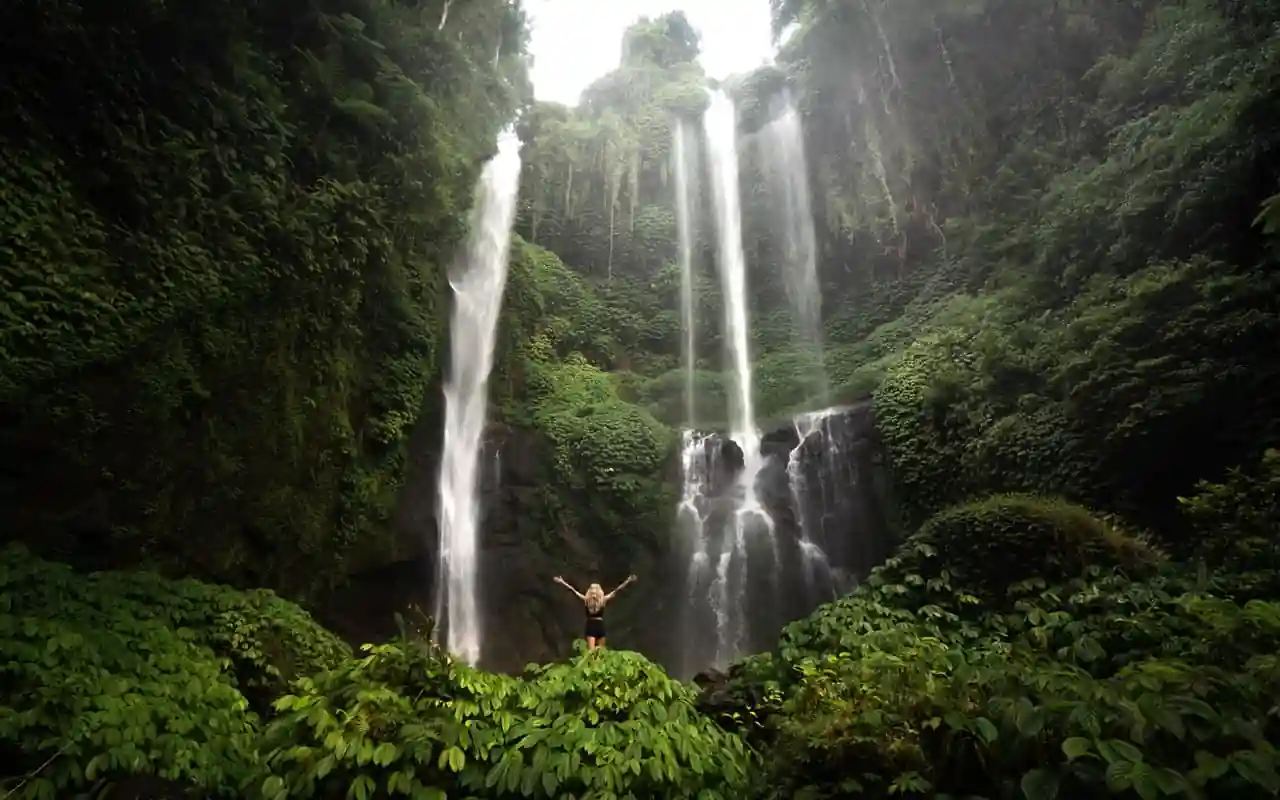
Often referred to as the "Fiji of Bali," Sekumpul Waterfall is arguably the island's most breathtaking cascade. This magnificent natural wonder is actually a collection of seven distinct falls, cascading down verdant cliffs in a powerful, multi-tiered spectacle. The sheer scale and lush surroundings create an awe-inspiring scene, making it a highlight for any visitor. Many travelers combine this with our secret waterfall tour for a full day of exploration.
Reaching Sekumpul requires a moderate trek, often with the assistance of a local guide, which is highly recommended to navigate the paths and appreciate the local knowledge. The journey through the jungle and down steep steps is part of the experience, culminating in an unforgettable view.
2. Tegenungan Waterfall: Ubud's Popular & Accessible Powerhouse
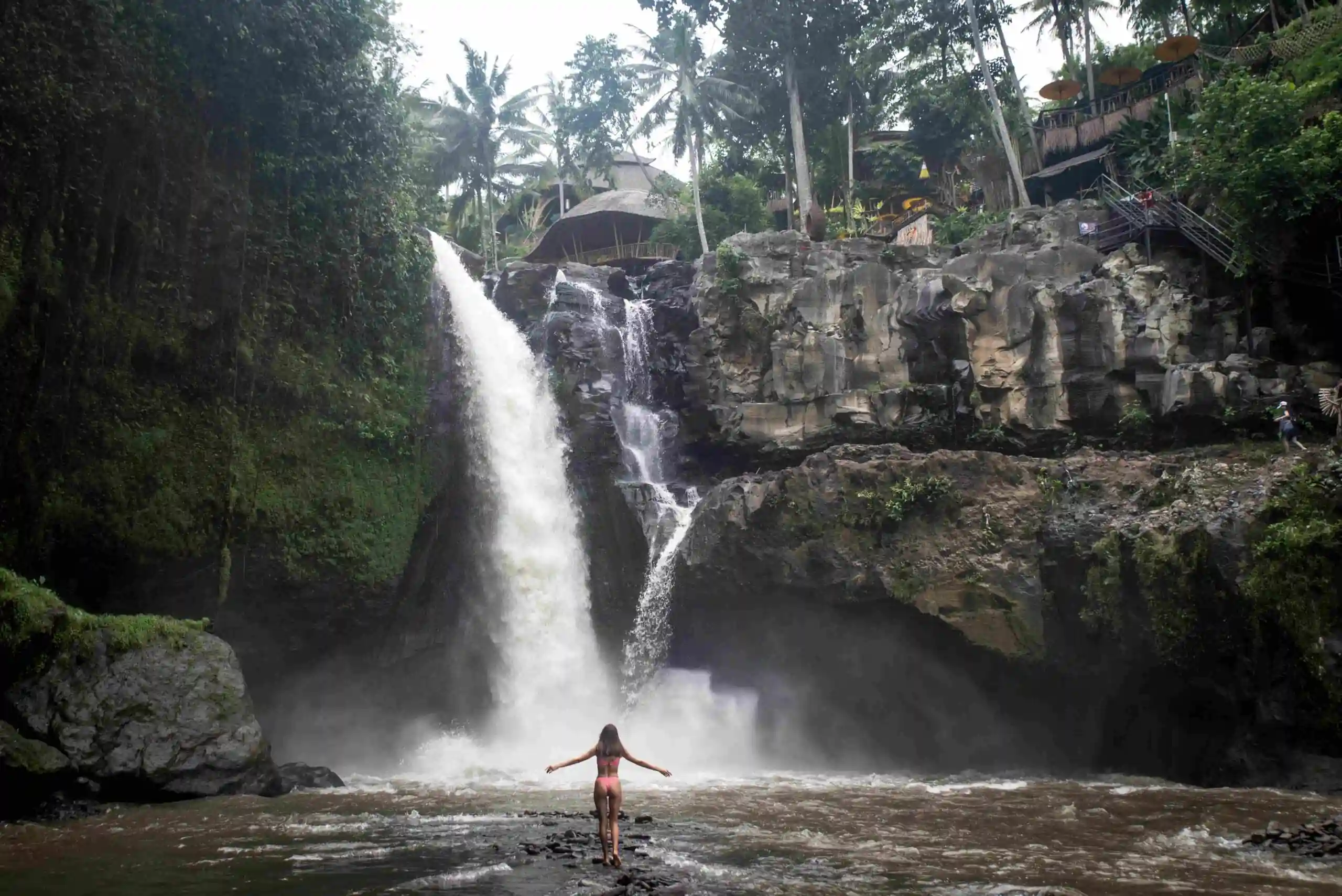
Located conveniently close to Ubud, Tegenungan Waterfall is one of Bali's most popular and easily accessible falls. Its powerful, wide cascade plunges into a refreshing pool below, offering a dramatic visual and a chance to cool off. While it can get busy, especially during peak hours, its proximity makes it an ideal stop for those exploring the cultural heart of Bali.
3. Tibumana Waterfall: The Picture-Perfect Veil of Serenity
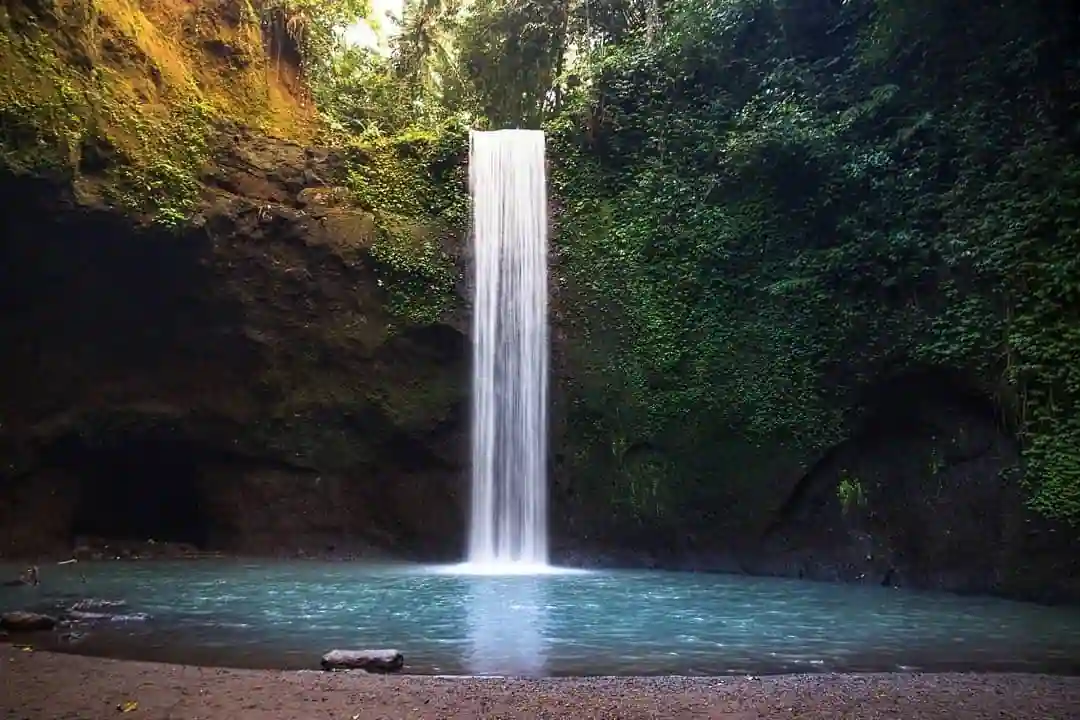
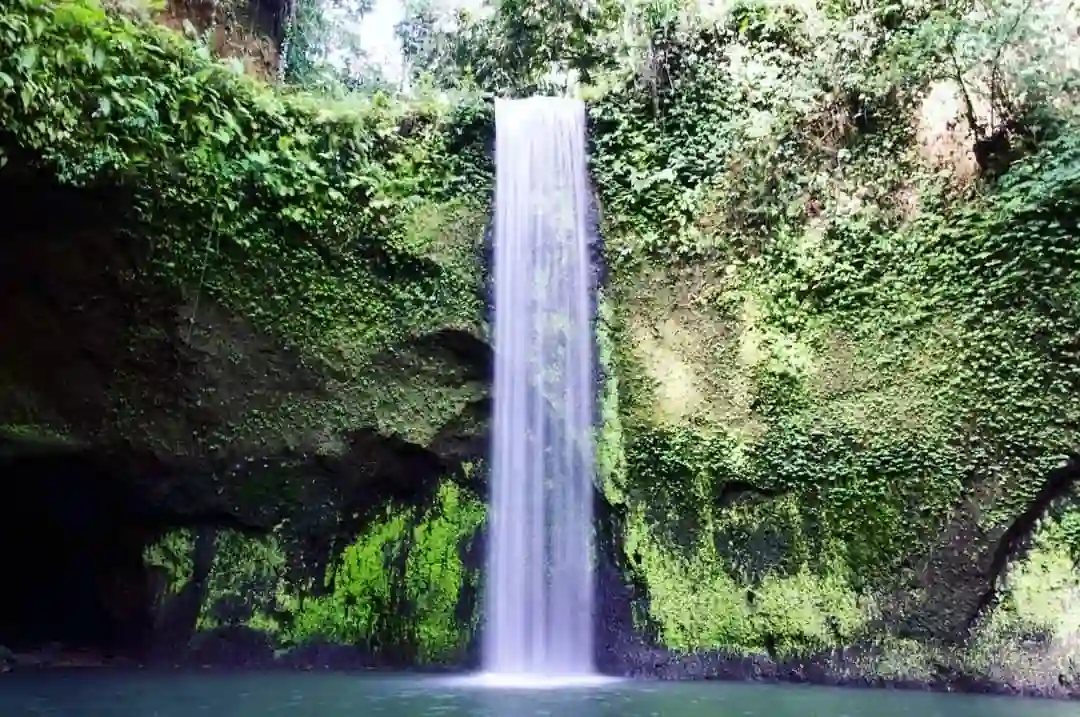
Tibumana Waterfall lives up to its reputation as a serene oasis. This elegant cascade features a graceful, veil-like flow of water tumbling into a clear, inviting pool. Surrounded by lush greenery, it exudes a tranquil atmosphere, making it perfect for relaxation and quiet contemplation.
4. Tukad Cepung Waterfall: The Mystical Cave Waterfall
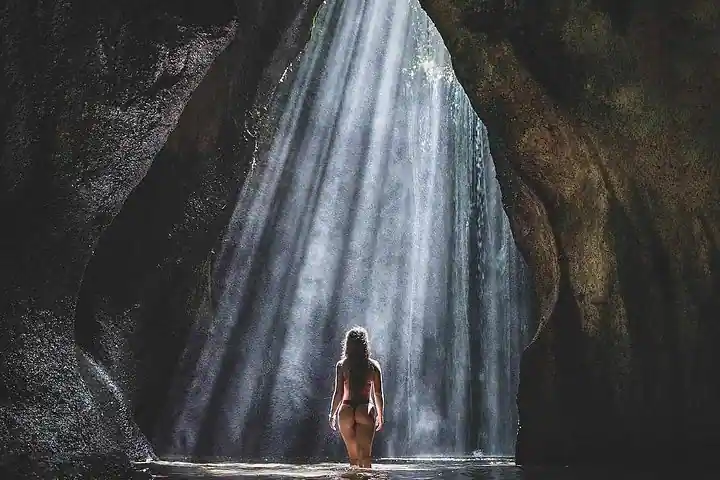
For a truly unique experience, Tukad Cepung Waterfall stands out. Tucked away within a cave, this waterfall is renowned for the ethereal shafts of light that pierce through the opening above, illuminating the cascading water and creating a mystical, almost otherworldly ambiance. Reaching Tukad Cepung involves a short trek, including wading through shallow water within the cave.
5. Kanto Lampo Waterfall: The Terraced Beauty & Natural Staircase
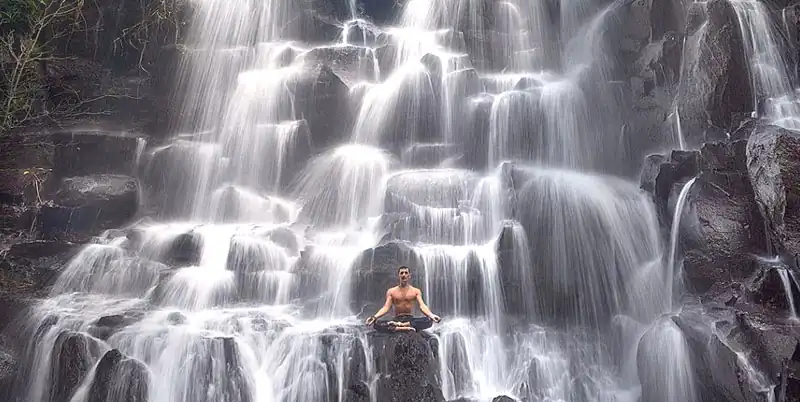
Kanto Lampo Waterfall offers a unique geological spectacle with its terraced rock formations. Water flows over these natural steps, creating a beautiful, sprawling cascade that is distinct from the sheer drops of other falls. It is often fed by the ancient subak irrigation system, highlighting the harmonious relationship between Bali's culture and its natural environment.
6. Banyumala Twin Waterfalls: North Bali's Refreshing Embrace

Nestled in the northern region of Bali, Banyumala Twin Waterfalls offer a refreshing and beautiful sight. As the name suggests, two distinct streams of water cascade down moss-covered rocks into a large, clear pool. The surrounding jungle is vibrant and provides a lush setting for this dual spectacle.
🌊 Ready to explore Bali's waterfalls?
Book a private waterfall tour with us. Safe driver, flexible itinerary.
Exploring North Bali's Majestic Falls & Adventure Hubs
North Bali is a treasure trove of natural wonders, often less crowded and offering a more adventurous experience. This region boasts some of the island's tallest and most powerful waterfalls, alongside opportunities for exploration and immersion in pristine natural environments.
1. Gitgit Waterfall: Bali's Classic Cascade & Tallest Fall
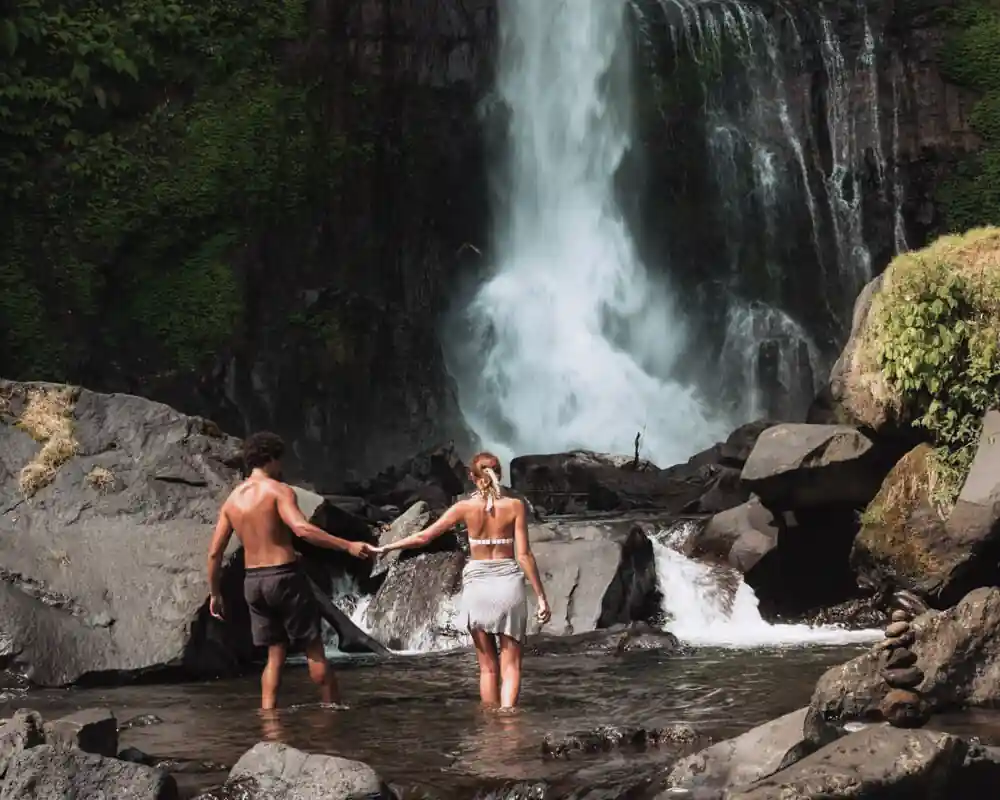
Gitgit Waterfall is one of Bali's most famous and tallest waterfalls, a classic example of the island's natural grandeur. It plunges dramatically from a significant height into a pool below, surrounded by dense tropical rainforest. The accessibility of Gitgit makes it a popular stop, and its sheer scale is impressive.
2. Nungnung Waterfall: The Mighty Cascade for the Adventurous
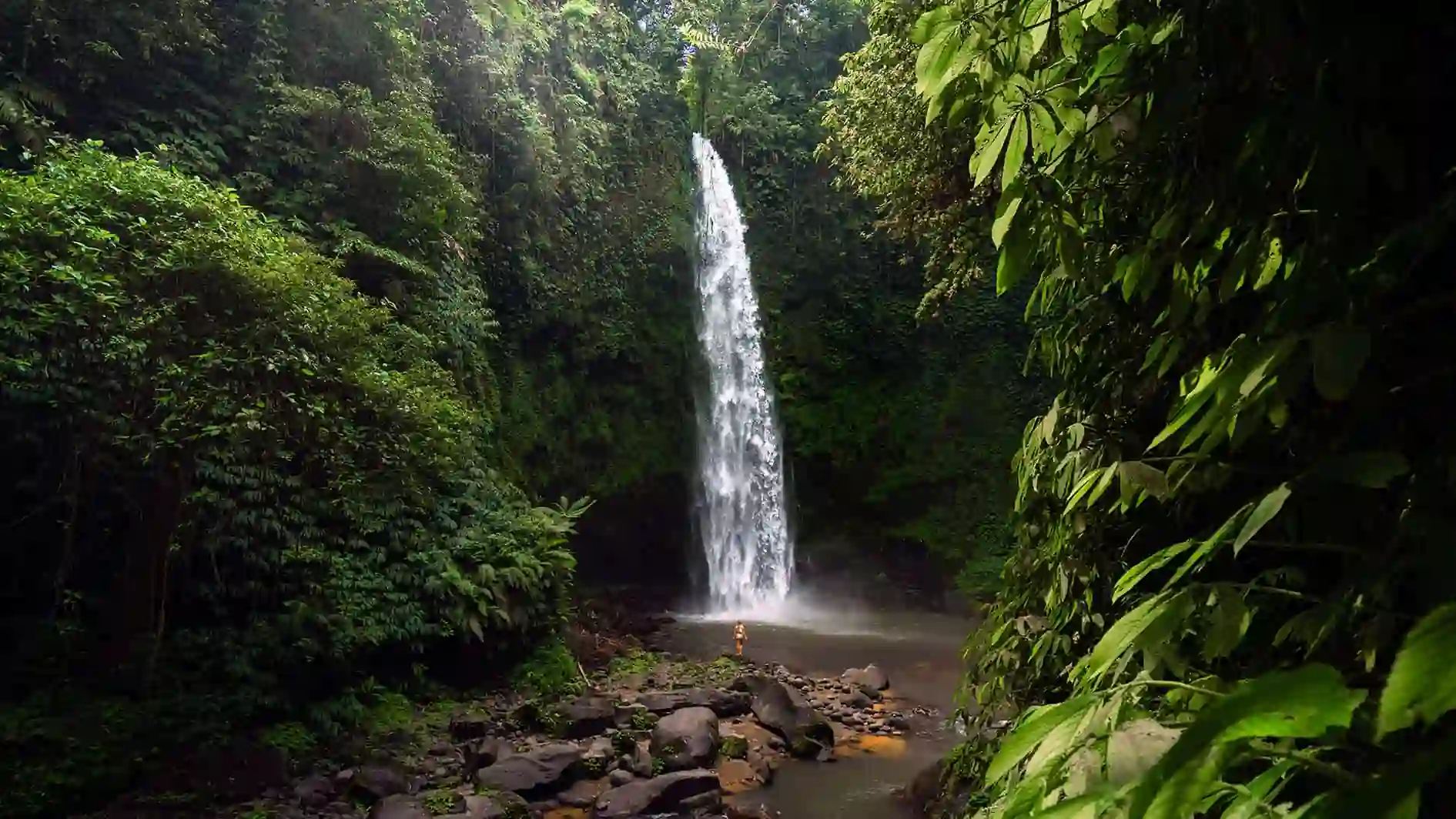
For those seeking a more challenging but rewarding experience, Nungnung Waterfall delivers. This powerful cascade requires a descent of approximately 500 steps, a journey that truly emphasizes the effort involved in reaching this natural marvel. However, the sight of the thundering water plunging into a vast pool at the bottom is a magnificent reward. Entrance fees for foreign adults at Nungnung Waterfall will cost Rp30,000 starting January 1, 2026.
3. Aling-Aling Waterfall & Sambangan Secret Garden: Adventure Playground
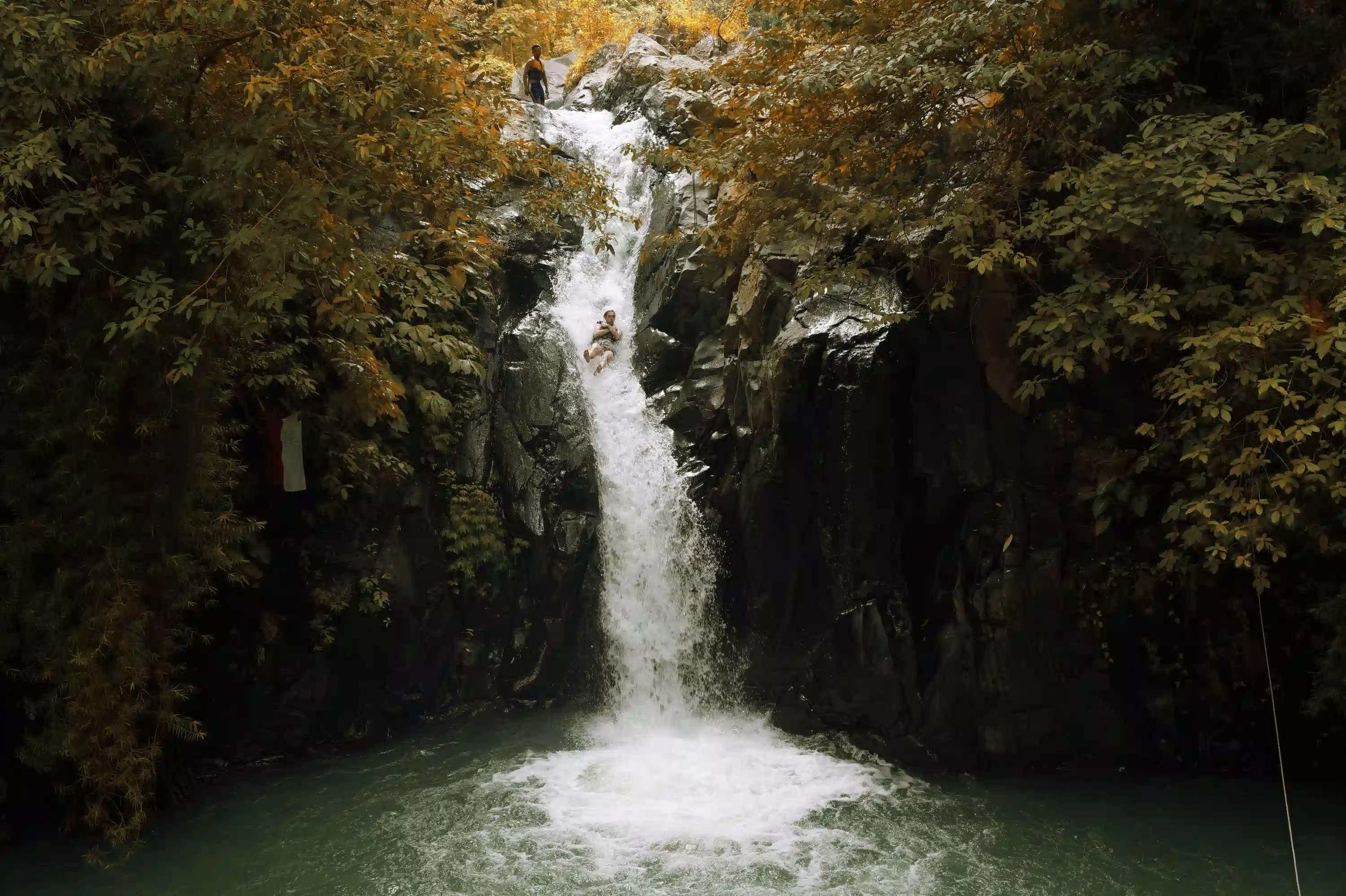
The Sambangan Secret Garden area, home to Aling-Aling Waterfall and several other cascades, is an adventure playground. Aling-Aling itself is known for its unique rock formation that splits the water flow, creating a natural slide. This region is popular for cliff jumping, natural water slides, and abseiling, offering an adrenaline-fueled waterfall tour experience.
4. Banyu Wana Amertha Waterfall: Serene & Multi-Flowing Beauty (Munduk)
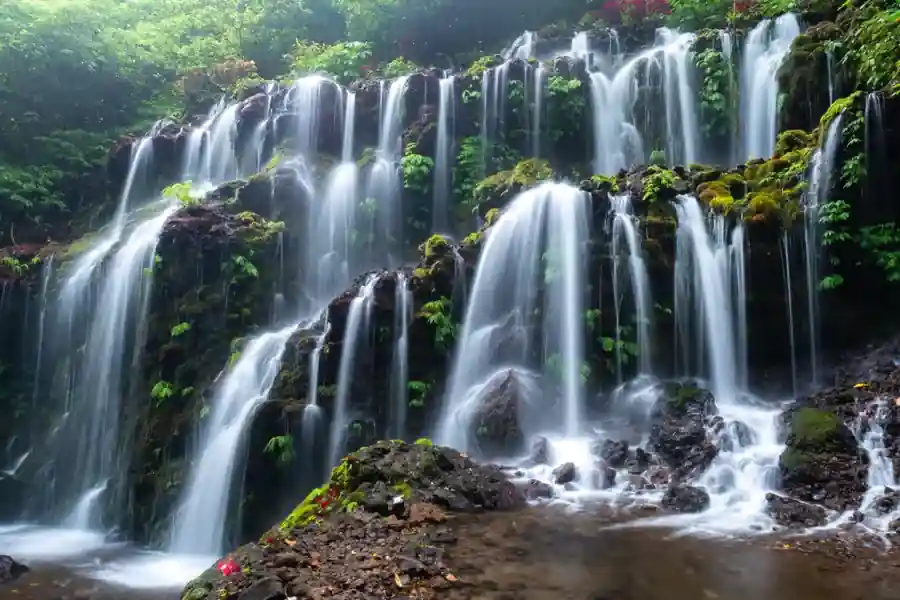
Located near the charming highland town of Munduk, Banyu Wana Amertha Waterfall is a serene and beautiful spot. This waterfall is characterized by multiple, gentle flows of water cascading down lush, green rocks. It offers a peaceful and picturesque setting, perfect for soaking in the natural beauty of North Bali.
5. Munduk Waterfall (Red Coral Waterfall): A Classic North Bali Stop
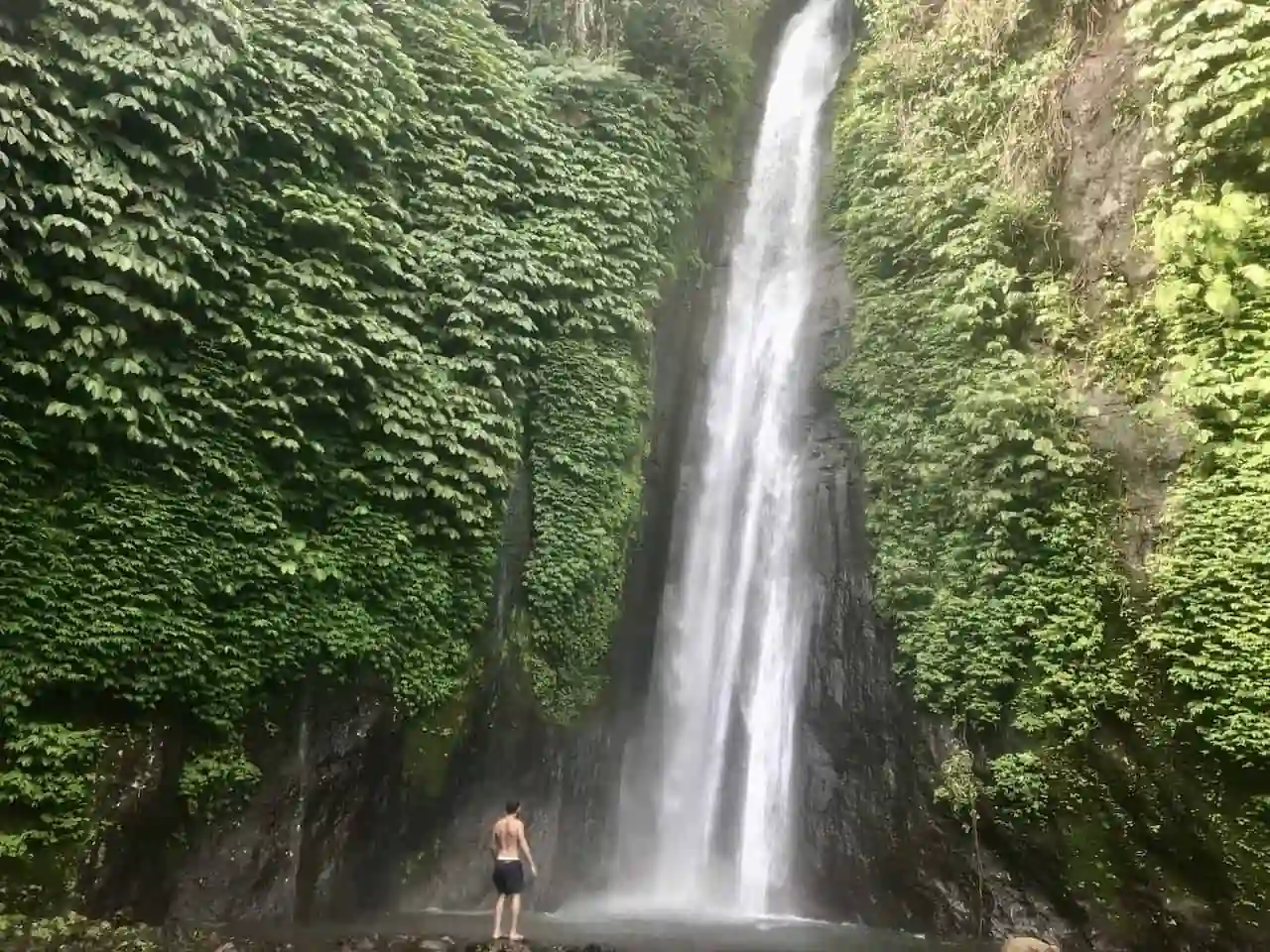
Also known as the Red Coral Waterfall, Munduk Waterfall is a classic and easily accessible stop in the Munduk region. While not as massive as some of Bali's other falls, its charm lies in its serene setting amidst coffee and clove plantations, with a pleasant path leading to its base.
Beyond the Beaten Path: Bali's True Hidden Gem Waterfalls
While the famous falls offer spectacular sights, Bali's true magic often lies in its lesser-known treasures. These hidden gems require more effort to reach but reward visitors with untouched beauty, a sense of discovery, and a peaceful escape from the crowds.
1. Goa Rang Reng Waterfall: The Spiritual & Sacred Cascade
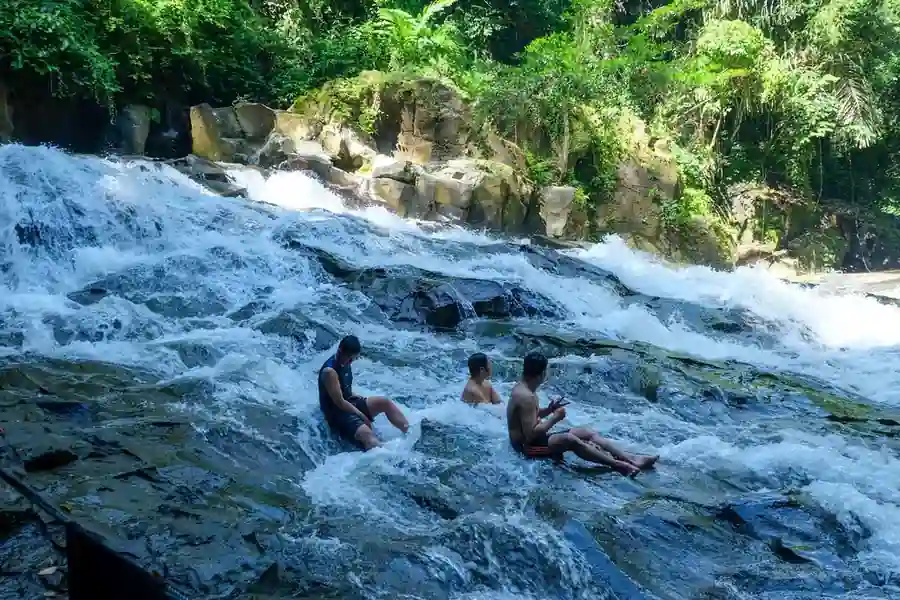
Goa Rang Reng Waterfall offers a unique blend of natural beauty and spiritual significance. Located in a more remote area, it features distinct rock formations and water flows that create a unique visual. It's a place where visitors can experience a sense of tranquility and perhaps connect with the local reverence for nature.
2. Taman Sari Waterfall & Goa Raja: A Secluded Oasis
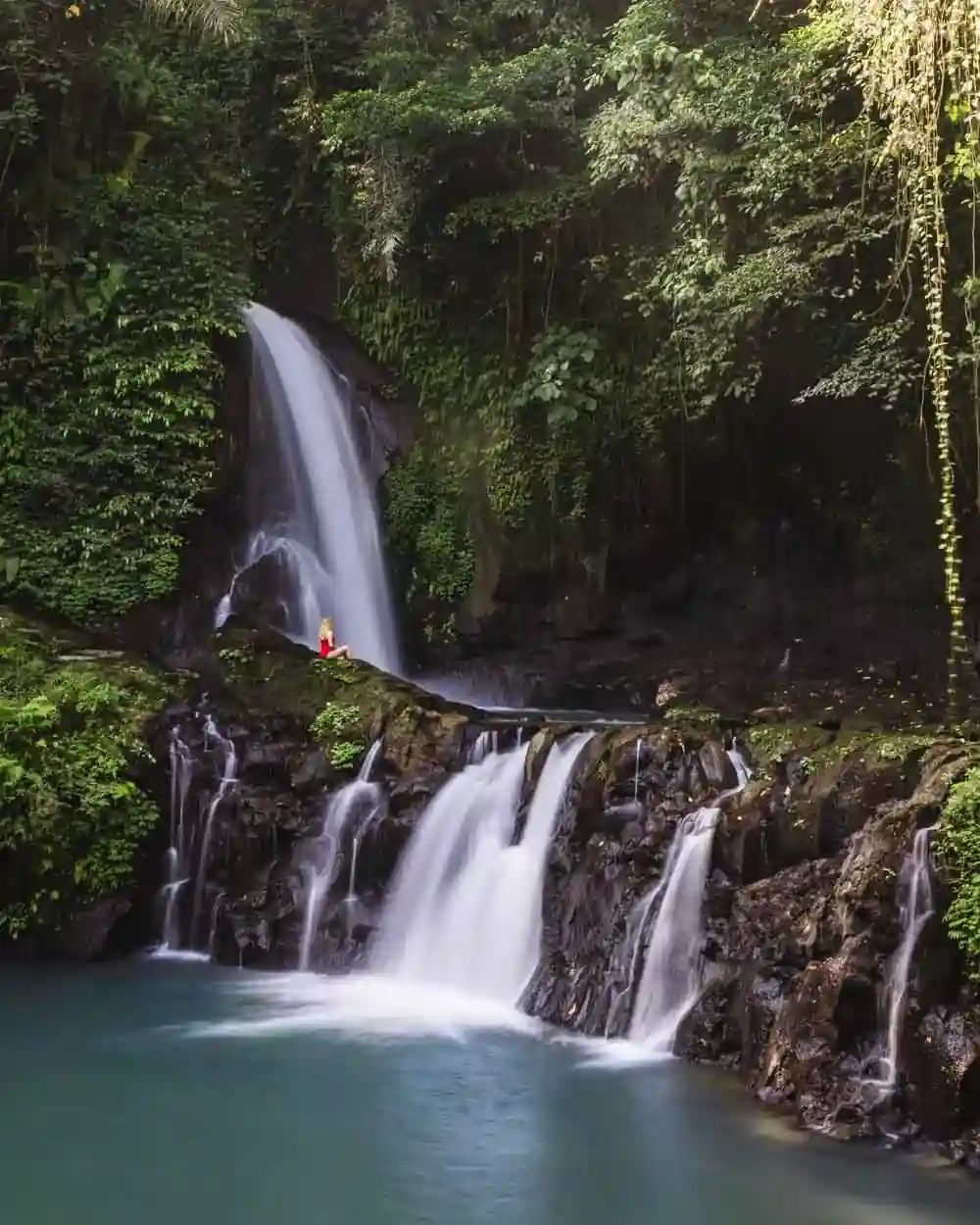
Taman Sari Waterfall, often associated with nearby Goa Raja, presents a secluded oasis. This waterfall is less frequented, offering a peaceful environment to enjoy the natural surroundings. The journey to reach it might involve navigating less-developed paths, but the reward is an unspoiled natural setting perfect for quiet reflection.
3. Cemara Waterfall: Untouched Beauty in the Sidemen Area
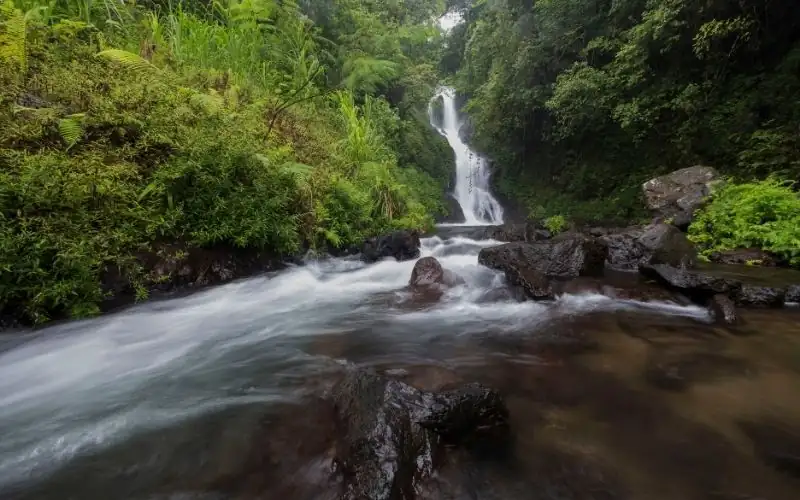
For those exploring the picturesque Sidemen area, Cemara Waterfall offers a glimpse of untouched natural beauty. This waterfall is relatively unknown, meaning you're likely to have it all to yourself. Its pristine condition and tranquil ambiance make it a perfect spot to connect with nature in its purest form.
4. Layana Waterfall: A Quiet Escape in North Bali

Layana Waterfall is another gem in North Bali, offering a quiet escape from more popular tourist spots. Its charm lies in its understated beauty and the peaceful atmosphere that surrounds it. It's an ideal location for those seeking solitude and a genuine connection with the island's natural landscapes.
Planning Your Ultimate Bali Waterfall Adventure: Essential Tips & Itineraries
A well-planned trip can significantly enhance your waterfall adventures in Bali. Considering the season, transportation, and essential items will ensure a smoother and more enjoyable experience. In 2024, Bali anticipated over 16.4 million international and domestic tourists, highlighting the need for strategic planning to avoid crowds and maximize your exploration.
When to Visit Bali's Waterfalls: Best Seasons & Times
The best time to visit Bali's waterfalls generally aligns with the dry season, from April to September. During this period, the weather is less humid, and rainfall is minimal, making trekking and exploring more comfortable. However, the wet season (October to March) can also be magical, with fuller, more powerful cascades, though be prepared for tropical downpours and potentially slippery conditions.
For fewer crowds and better photography opportunities, aim to visit waterfalls early in the morning, ideally before 10 AM, or late in the afternoon.
Getting Around Bali for Waterfall Chasing
Hiring a private driver is often the most convenient way to explore Bali's waterfalls, especially those in more remote areas or spread across different regions. Drivers can be hired for full-day or half-day tours, and many are knowledgeable about the best routes and less-crowded times to visit. The price for a full-day hire typically ranges from IDR 600,000 to IDR 800,000, depending on your itinerary and negotiation.

Scooters offer more freedom for independent travelers but are best suited for waterfalls closer to major towns and for experienced riders, given Bali's traffic and road conditions. Many waterfall tour operators also provide comprehensive packages, which can be ideal for specific locations like Tukad Cepung Waterfall. For airport arrivals, consider our airport transfer service to start your journey smoothly.
What to Pack for Your Waterfall Excursion
Essential items for a Bali waterfall trip include water shoes with good grip – this is crucial for navigating slippery rocks and walking in water. Pack swimwear, a quick-drying towel, a dry bag to protect electronics, sunscreen, insect repellent, and a reusable water bottle. Comfortable, quick-drying clothing is recommended.
Responsible Tourism & Cultural Sensitivity
When visiting Bali's natural attractions, it's vital to practice responsible tourism. Always dispose of your trash properly and avoid leaving any waste behind. Respect local customs and traditions, especially when visiting waterfalls that may hold spiritual significance. If you choose to swim, do so safely and be mindful of local advice.
Frequently Asked Questions About Bali Waterfalls
What is the best time to visit Bali's waterfalls?
The best time to visit Bali's waterfalls is during the dry season from April to September. During this period, the weather is less humid and rainfall is minimal, making trekking more comfortable. However, the wet season (October to March) offers fuller, more powerful cascades. For fewer crowds, visit early morning before 10 AM.
Which is the most beautiful waterfall in Bali?
Sekumpul Waterfall is often considered Bali's most breathtaking cascade. This magnificent natural wonder features seven distinct falls cascading down verdant cliffs in a powerful, multi-tiered spectacle. The sheer scale and lush surroundings make it a highlight for any visitor.
How much does it cost to hire a private driver for waterfall tours?
The price for a full-day private driver hire typically ranges from IDR 600,000 to IDR 800,000, depending on your itinerary and negotiation. This includes the vehicle, driver, and fuel for a full day of waterfall exploration.
What should I pack for a waterfall trip in Bali?
Essential items include water shoes with good grip, swimwear, quick-drying towel, dry bag to protect electronics, sunscreen, insect repellent, and a reusable water bottle. Comfortable, quick-drying clothing is recommended. Don't forget cash for entrance fees.
Are Bali waterfalls safe for swimming?
Most waterfalls in Bali have designated swimming areas that are generally safe. However, always exercise caution, especially after heavy rain when currents can be stronger. Follow local advice, watch for warning signs, and never swim directly under the falling water as the force can be dangerous.
Do I need a guide to visit waterfalls in Bali?
For popular waterfalls like Tegenungan and Tibumana, a guide is not necessary as they are well-marked and easy to access. However, for more remote waterfalls like Sekumpul or hidden gems in North Bali, hiring a local guide is highly recommended for safety and to ensure you don't miss the best viewpoints.
Conclusion
Bali's waterfalls are more than just stunning natural features; they are an integral part of the island's soul, offering a diverse range of experiences from the exhilarating to the serene. Whether you're standing before the majestic Sekumpul Waterfall, seeking the mystical light shafts of Tukad Cepung Waterfall, or discovering a quiet cascade in the heart of the jungle, each visit promises a unique and enriching adventure. For more travel tips, check out our ultimate Bali guide.
By embracing exploration, planning wisely with notes on practicalities like price and transportation via a hired driver, and respecting the environment, you can uncover the true magic of Bali's cascading wonders. Remember to pack your water shoes and an adventurous spirit – your ultimate Bali waterfall tour awaits. Learn more about Bali transportation options to plan your trip.
Ready to Chase Waterfalls?
Book your secret waterfall tour and discover Bali's most beautiful hidden falls.